
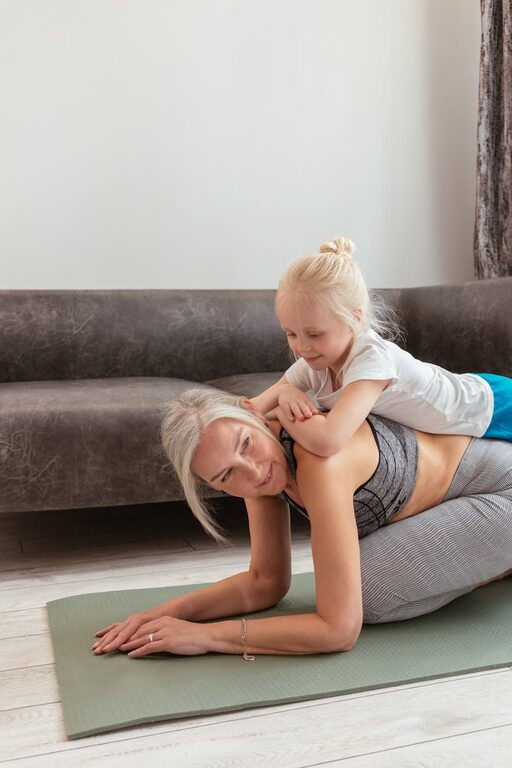
Stretching is a simple yet powerful way to enhance your physical health and improve your daily comfort. Whether you want to increase mobility, relieve muscle tension, or just feel more relaxed, incorporating stretching into your daily routine can make a big difference. The best part is that you don’t need special equipment or a gym membership—just a little space at home and a few minutes of your time.
In this beginner’s guide, we’ll walk you through the basics of stretching, explain its benefits, and provide straightforward routines you can do any time.
Why Stretching Matters
Before jumping into stretches, it’s helpful to understand why stretching is beneficial:
– Improves Flexibility: Regular stretching increases your range of motion, making everyday movements easier.
– Reduces Muscle Tension: Stretching helps release tightness and stiffness, which can reduce discomfort.
– Boosts Circulation: Moving your muscles gently can improve blood flow and speed up recovery after activity.
– Enhances Posture: Stretching tight muscles can help correct imbalances that cause poor posture.
– Promotes Relaxation: Taking time to stretch can lower stress levels and create mental calmness.
Safety Tips for Stretching at Home
To get the most from your stretching routine and avoid injury, keep these points in mind:
– Warm Up First: Stretching cold muscles can cause strains. Do 3–5 minutes of light activity like walking or marching in place before stretching.
– Move Slowly: Avoid bouncing or jerking motions. Stretch gradually until you feel a gentle pull.
– Breathe Normally: Don’t hold your breath. Breathe deeply and evenly throughout each stretch.
– Listen to Your Body: Stretch only as far as comfortable. Sharp pain is a sign to stop.
– Be Consistent: Aim to stretch at least 3–4 times a week for lasting benefits.
Basic Stretching Routine for Beginners
Here is a simple routine you can follow at home. Each stretch should be held for 15–30 seconds and repeated 2–3 times.
1. Neck Stretch
– Sit or stand tall.
– Slowly tilt your head to one side, bringing your ear toward your shoulder.
– Hold the stretch, then switch sides.
2. Shoulder Stretch
– Bring one arm across your chest at shoulder height.
– Use your opposite hand to gently press the arm closer to your body.
– Repeat on the other side.
3. Chest Opener
– Clasp your hands behind your back.
– Straighten your arms and gently lift your chest while squeezing your shoulder blades together.
– Keep your neck relaxed.
4. Seated Forward Fold
– Sit on the floor with your legs extended straight in front.
– Hinge at your hips and reach toward your toes.
– Keep your back as straight as possible to avoid rounding.
5. Cat-Cow Stretch
– Get down on your hands and knees.
– Arch your back and tuck your chin to your chest (Cat).
– Then, drop your belly and lift your head and tailbone (Cow).
– Repeat slowly several times.
6. Seated Spinal Twist
– Sit tall with legs extended.
– Bend one knee and place the foot outside the opposite thigh.
– Twist your torso toward the bent knee, using your opposite elbow on the knee for leverage.
– Switch sides.
7. Hamstring Stretch
– Lie on your back and lift one leg toward the ceiling.
– Keep the other leg flat on the floor.
– Hold behind your thigh or calf, depending on flexibility.
8. Calf Stretch
– Stand facing a wall with one foot forward and the other back.
– Keep the back heel on the floor and lean forward slightly.
– Repeat with the opposite leg.
Tips to Make Stretching Part of Your Daily Life
Adding stretching to your routine is easier with these helpful approaches:
– Set a Reminder: Use your phone or calendar to schedule stretching breaks.
– Stretch in the Morning: Start your day with stretches to wake your body up gently.
– Stretch After Workouts: This reduces muscle stiffness and aids recovery.
– Combine with Breathing or Meditation: Stretch mindfully to cultivate relaxation.
– Keep It Short and Sweet: Even 5–10 minutes can be beneficial if done regularly.
When to Avoid Stretching or See a Professional
Stretching is generally safe, but take caution if you have:
– Recent injuries or surgery
– Severe joint pain or swelling
– Chronic conditions such as arthritis without medical advice
If unsure, consult with a physical therapist or qualified fitness expert before starting a new stretching routine.
—
Stretching at home is a fantastic, low-cost way to promote better health and mobility. With a consistent approach and mindful technique, beginners can quickly experience the benefits—less stiffness, more ease in movement, and a calmer mind. So clear some space, breathe deeply, and start stretching today!