
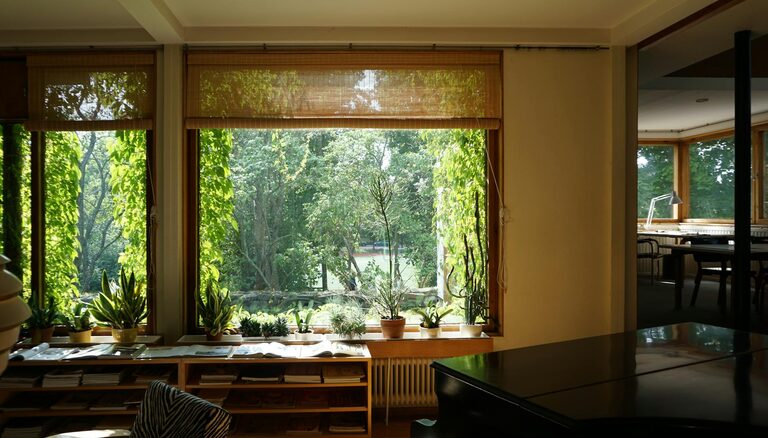
Living in a noisy environment can be stressful and distracting. Whether it’s traffic sounds, loud neighbors, or household noises, excessive noise can make it difficult to relax, work, or sleep peacefully. Fortunately, you don’t need to invest in expensive renovations to create a quieter home. This post explores simple and practical ways to reduce noise at home and enjoy a more peaceful space.
Why Reduce Noise at Home?
Noise pollution isn’t just a minor annoyance; it can affect your well-being. Constant noise can increase stress, reduce concentration, and disturb your sleep. By taking steps to reduce noise inside your home, you improve comfort and create an atmosphere that supports relaxation and productivity.
Identify the Sources of Noise
Before diving into solutions, it’s important to understand where the noise is coming from. Noise sources typically fall into these categories:
– Outside noise: Traffic, construction, airplanes, or noisy neighbors
– Inside noise: Appliances, electronics, footsteps, conversations, or TV sounds
– Structural noise: Sounds traveling through walls, ceilings, floors, or windows
Once you identify these sources, you can choose the most effective methods to reduce or block the noise.
Simple Ways to Reduce Noise at Home
1. Use Soft Furnishings to Absorb Sound
Hard surfaces reflect sound, making noise louder and more intrusive. Adding soft furnishings helps absorb sound and reduce echo.
– Rugs and carpets: Cover bare floors with rugs to soften footsteps and muffle sounds.
– Curtains and drapes: Thick, heavy curtains block some outdoor noise and reduce reverberation inside.
– Upholstered furniture: Sofas and padded chairs absorb sound better than leather or wooden furniture.
– Cushions and pillows: Extra cushions in living areas can further absorb sound waves.
2. Seal Windows and Doors
Gaps around windows and doors let outdoor noise sneak inside. Check for cracks or spaces and seal them effectively.
– Weatherstripping: Apply weatherstripping tape around door frames and window sashes to seal gaps.
– Door sweeps: Install door sweeps at the bottom of doors to block sound from hallways or outside.
– Window plugs or inserts: For a more temporary solution, consider window plugs or acrylic inserts to reduce noise.
3. Rearrange Furniture
Strategically placing furniture can help block and absorb sound.
– Bookcases and shelves: Place large bookcases against shared walls to add sound insulation. Filling them with books increases their effectiveness.
– Sofas against walls: Position sofas or large chairs against walls facing noisy areas to reduce sound penetration.
– Room layout: Avoid placing quiet spaces, like bedrooms, facing noisy streets or common noisy rooms.
4. Use Soundproofing Materials
If you want to invest a bit more, soundproofing materials can be very effective.
– Acoustic panels: These are specially designed to absorb and reduce sound reflection. They can be hung on walls or ceilings.
– Soundproof foam: While more commonly used in studios, foam panels can help reduce noise in rooms prone to echo.
– Door and window upgrades: Installing double-pane windows or solid-core doors can significantly reduce noise intrusion.
5. Create White Noise or Masking Sounds
Sometimes, completely eliminating noise is difficult. White noise or masking sounds can make background noise less noticeable and more soothing.
– White noise machines: These devices produce a consistent, unobtrusive sound that helps cover unwanted noise.
– Fans or air purifiers: Small household appliances can create ambient sound that masks disruptive noises.
– Soft music or nature sounds: Playing gentle music or nature sounds can help drown out background noise.
6. Manage Internal Noise
In addition to blocking outside noise, reducing your own household noise helps.
– Use rugs in hallways: This softens footsteps and reduces loud echoes in corridors.
– Close doors: Keeping doors closed helps contain noise within a room.
– Lower TV and music volume: Keep electronics at moderate volumes, especially near bedrooms or quiet areas.
– Maintain appliances: Ensure appliances like washing machines or HVAC systems are in good repair to minimize noise.
Bonus Tips for a Quieter Home
– Add plants: Large plants and greenery can help absorb sound naturally.
– Use heavy blankets or quilts: Hanging heavy textiles on walls or doors can act as temporary sound blockers.
– Keep windows closed during peak noise times: Traffic or outdoor noise tends to increase during certain hours—closing windows can help.
– Talk to neighbors: If external noise is a problem, polite communication can sometimes reduce disturbances.
Final Thoughts
Creating a quieter home doesn’t have to be complicated or costly. With some thoughtful choices like adding soft furnishings, sealing gaps, rearranging your furniture, and introducing masking sounds, you can significantly reduce noise and enhance your comfort. Try these simple methods and enjoy a more peaceful, restful living space.
Remember, a quieter environment nurtures better focus, relaxation, and overall well-being — making your home the refuge it should be.